
Buy Guide
Full Bed Frame: The Complete Buying Guide for 2026
Jun
Full Bed Frame: The Complete Buying Guide for 2026
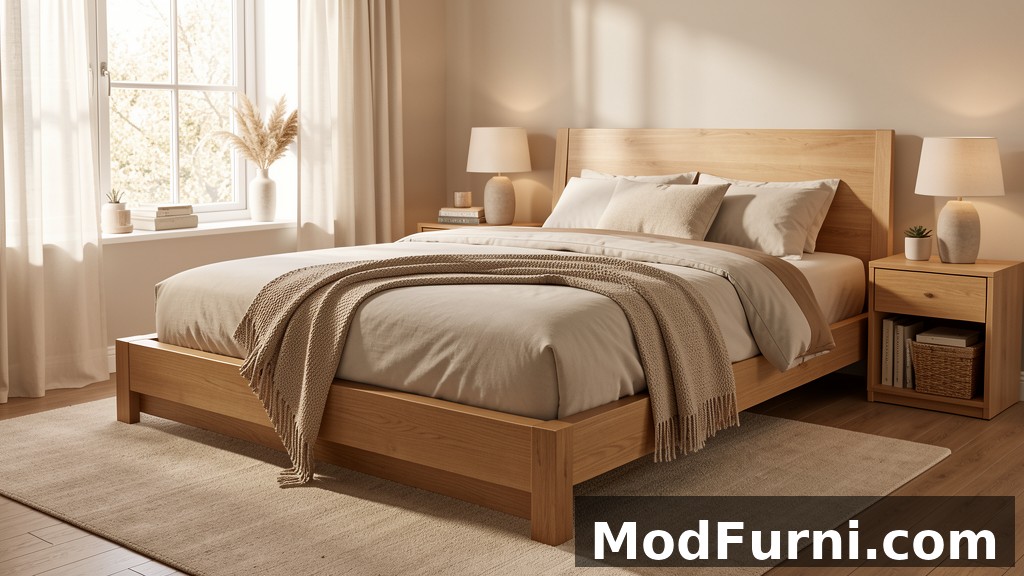
Sleep starts with the foundation under your mattress. And if you’re shopping for a full-size setup — a growing kid’s room, a guest bedroom, a compact apartment — you’ve landed on the right size. A full bed frame (54 inches wide, 75 inches long) gives you more room than a twin without eating up floor space like a queen would.
But not every full bed frame is the same. Material, construction, storage, style — they all matter more than you’d think. If you’re new to shopping for bed frames, our complete guide to choosing the perfect bed frame covers the basics. Here’s what specifically applies to full-size models.
Why a Full Bed Frame?
Full-size beds hit a sweet spot. A twin works fine for little kids, but most outgrow it by their preteen years. A full bed frame gives them room to stretch out without taking over the whole bedroom. For guest rooms, it fits comfortably in a 10×10 space while still letting adults sleep without their feet hanging off. And in small apartments or dorms, a full bed frame — especially one with built-in drawers — pulls double duty as storage.
There’s also the cost factor. Full-size mattresses and bedding run noticeably cheaper than queen or king sizes. Pair a decent full bed frame with a good mattress and you get solid comfort without the premium price tag.
Full Bed Frame Dimensions
Here are the basic numbers:
| Frame Type | Typical Weight Capacity |
|---|---|
| Basic metal frame | 300-500 lbs |
| Platform bed (wood slats) | 500-800 lbs |
| Platform bed (metal slats) | 600-1,000 lbs |
| Heavy-duty metal frame | 1,000-1,500 lbs |
| Upholstered frame | 400-700 lbs |
| Bunk bed / loft frame | 200-400 lbs (per bunk) |
Here’s a quick sanity check: add up the weight of everyone sleeping on it plus the mattress (a full mattress is around 50-70 pounds). If that total is close to the frame’s limit, go up a tier. Having 100-200 pounds of buffer is a good idea.
Full Bed Frame vs. Other Sizes
Full vs. Twin. A full is 15 inches wider and 5 inches longer. For solo sleepers who feel cramped on a twin, it’s a solid upgrade for not much more money.
Full vs. Queen. A queen is 6 inches wider and 5 inches longer. If your room is at least 10×12 and two people will be sharing, a queen is the better call.
Full vs. Full XL. Full XL adds 5 inches of length (80 inches total). Taller people who need legroom but don’t want the extra width of a queen should look at this.
Assembly Tips
Most full bed frames ship flat-packed. Plan on 30-60 minutes with two people for platform or metal frames. Upholstered frames can take closer to 60-90 minutes.
You’ll usually need the included Allen wrench, a Phillips-head screwdriver, and maybe a rubber mallet. Lay out all the parts first. Hand-tighten bolts, get the frame square, then go back and tighten everything. Don’t tighten the headboard fully until the frame is where you want it.
Frequently Asked Questions
Do I need a box spring with my full bed frame?
Only if you buy a traditional frame designed for one. Most modern frames — especially platform styles — support the mattress directly with slats or a solid deck.
What’s the best full bed frame for a small room?
A storage model with built-in drawers, or a lofted design that leaves floor space underneath for a desk or seating.
How much should I spend?
Basic metal frames start around $100. Platform frames are $150-400. Upholstered and storage frames run $200-600. You get what you pay for in build quality and durability.
Are metal or wood full bed frames better?
Metal is lighter, cheaper, and easier to assemble. Wood looks better, lasts longer, and doesn’t squeak as much. We break down the pros and cons of each in our wood vs. metal bed frame comparison. Pick what matters more to you.
Can two adults sleep on a full bed frame?
Yes, but it’s tight. Each person gets about 27 inches — roughly the width of a crib mattress. Works for occasional or short-term use, but a queen is more comfortable for regular sharing.
Final Thoughts
Choosing a full bed frame comes down to three things: your room size, your budget, and what features you actually need. Measure the space. Decide if storage matters. Pick a material that fits your style. And don’t skip checking the weight limit — it’s the one spec people overlook most often, and it matters.
A solid full bed frame is one of those purchases you only make every 5-10 years. Getting it right the first time is worth the extra ten minutes of research.
Disclaimer: This guide is for informational purposes. Product specs and prices vary. Always double-check dimensions, weight limits, and warranty details before buying.
| Dimension | Full Bed Frame | Full Mattress |
|---|---|---|
| Width | 54″ (varies by frame style) | 54″ |
| Length | 75″ + headboard/footboard | 75″ |
| Height (low profile) | 5-7″ | 7-10″ |
| Height (standard) | 14-18″ | 7-10″ |
| Height (with storage) | 18-24″+ | 7-10″ |
Your room should be at least 10×10 feet for a full bed frame — that gives you walking space and room for a nightstand or small dresser. If you’re going with a lofted or bunkie-style frame, you’ll need 33-36 inches between the mattress top and the ceiling so sitting up doesn’t mean bumping your head.
Types of Full Bed Frames
Platform Bed Frames
A platform full bed frame uses slats or a solid deck to support the mattress directly. No box spring needed. This is the most popular style right now, and for good reason:
- No box spring means one less thing to buy and one less inch of height to climb into bed
- The slatted base lets air circulate under the mattress, which helps with temperature
- Low-profile designs fit modern, minimalist rooms well
- They tend to be cheaper than frame-plus-box-spring combos
Most platform frames space their slats no more than 2.75 inches apart. That’s important if you have a memory foam or latex mattress — those need even support across the whole surface, or they’ll sag over time.
Metal Bed Frames
Metal full bed frames range from basic adjustable rails to decorative bedsteads. A simple steel frame with legs and side rails can cost as little as $60-100. They’re lightweight, easy to move, and basically maintenance-free — just wipe them down. A popular option is the NEW JETO Full Size Metal Bed Frame, which includes built-in storage space. Quality steel frames can hold 500-1,500 pounds depending on the gauge.
The trade-off? Basic metal frames usually don’t come with a headboard or footboard. You can buy those separately, but the simple setup looks a little bare without them.
Upholstered Bed Frames
Upholstered full bed frames have gotten popular fast, and it’s easy to see why. A padded headboard makes sitting up in bed to read or watch something a lot more comfortable. Fabric choices range from linen and velvet to polyester and bonded leather. The fabric panels also dampen squeaks and rattles better than metal or wood.
They cost more — typically $200-500 for a full size — but they change the whole look of a bedroom. The Allewie Velvet Upholstered Platform Bed is a well-reviewed option with a tufted headboard. Tufted button designs for a classic feel, or sleek modern panels if that’s more your speed.
Storage Bed Frames
If space is tight, a storage full bed frame is hard to beat. Some have drawers on casters that pull out from underneath. Others use gas pistons so the whole mattress platform lifts up, revealing a big compartment underneath. A few come with shelves built into the headboard so you don’t need a nightstand.
In a small room, a storage bed frame can replace a dresser or eliminate those plastic bins under the bed. Worth the upgrade if you’re short on closet space.
Materials: What Works Best
Solid Wood
Wood frames look warm and last a long time. Pine is light and affordable — good for kids’ rooms. Oak is heavy, durable, and expensive, but it’ll outlive you. Walnut sits in the middle: rich color, solid build, reasonable price. Acacia resists water well, so it’s a smart choice in humid climates.
Steel
Steel is what most metal frames use. Look for a lower tube gauge (thicker steel). 14-gauge or 16-gauge is ideal. Powder coating protects against rust. And bolted connections tend to hold up better than welded ones during assembly and disassembly.
Engineered Wood
MDF, particle board, and plywood frames are budget-friendly. MDF is smooth and takes paint well but is heavy. Plywood is stronger, especially with a veneer finish. Laminate surfaces are easy to clean and scratch-resistant. None of these will last as long as solid wood, but a decent engineered wood frame can go 5-10 years with normal use.
Weight Limits and Safety
Every full bed frame comes with a weight rating. Check it before you buy:
| Frame Type | Typical Weight Capacity |
|---|---|
| Basic metal frame | 300-500 lbs |
| Platform bed (wood slats) | 500-800 lbs |
| Platform bed (metal slats) | 600-1,000 lbs |
| Heavy-duty metal frame | 1,000-1,500 lbs |
| Upholstered frame | 400-700 lbs |
| Bunk bed / loft frame | 200-400 lbs (per bunk) |
Here’s a quick sanity check: add up the weight of everyone sleeping on it plus the mattress (a full mattress is around 50-70 pounds). If that total is close to the frame’s limit, go up a tier. Having 100-200 pounds of buffer is a good idea.
Full Bed Frame vs. Other Sizes
Full vs. Twin. A full is 15 inches wider and 5 inches longer. For solo sleepers who feel cramped on a twin, it’s a solid upgrade for not much more money.
Full vs. Queen. A queen is 6 inches wider and 5 inches longer. If your room is at least 10×12 and two people will be sharing, a queen is the better call.
Full vs. Full XL. Full XL adds 5 inches of length (80 inches total). Taller people who need legroom but don’t want the extra width of a queen should look at this.
Assembly Tips
Most full bed frames ship flat-packed. Plan on 30-60 minutes with two people for platform or metal frames. Upholstered frames can take closer to 60-90 minutes.
You’ll usually need the included Allen wrench, a Phillips-head screwdriver, and maybe a rubber mallet. Lay out all the parts first. Hand-tighten bolts, get the frame square, then go back and tighten everything. Don’t tighten the headboard fully until the frame is where you want it.
Frequently Asked Questions
Do I need a box spring with my full bed frame?
Only if you buy a traditional frame designed for one. Most modern frames — especially platform styles — support the mattress directly with slats or a solid deck.
What’s the best full bed frame for a small room?
A storage model with built-in drawers, or a lofted design that leaves floor space underneath for a desk or seating.
How much should I spend?
Basic metal frames start around $100. Platform frames are $150-400. Upholstered and storage frames run $200-600. You get what you pay for in build quality and durability.
Are metal or wood full bed frames better?
Metal is lighter, cheaper, and easier to assemble. Wood looks better, lasts longer, and doesn’t squeak as much. We break down the pros and cons of each in our wood vs. metal bed frame comparison. Pick what matters more to you.
Can two adults sleep on a full bed frame?
Yes, but it’s tight. Each person gets about 27 inches — roughly the width of a crib mattress. Works for occasional or short-term use, but a queen is more comfortable for regular sharing.
Final Thoughts
Choosing a full bed frame comes down to three things: your room size, your budget, and what features you actually need. Measure the space. Decide if storage matters. Pick a material that fits your style. And don’t skip checking the weight limit — it’s the one spec people overlook most often, and it matters.
A solid full bed frame is one of those purchases you only make every 5-10 years. Getting it right the first time is worth the extra ten minutes of research.
Disclaimer: This guide is for informational purposes. Product specs and prices vary. Always double-check dimensions, weight limits, and warranty details before buying.