
Buy Guide
The Complete Guide to Low Bunk Beds: Safe, Space-Saving Sleep Solutions for Every Room
Jun
The Complete Guide to Low Bunk Beds: Safe, Space-Saving Sleep Solutions for Every Room
If you’re shopping for bunk beds but the standard designs feel too tall or intimidating, a low bunk bed might be exactly what you’re looking for. These compact sleep solutions sit closer to the ground, usually with the top bunk no more than four feet high. They’re popular with parents of younger kids, people furnishing rooms with sloped ceilings, and anyone who wants the space-saving benefits of a bunk bed without the height.
In this guide, I’ll walk you through everything you need to know about low bunk beds. We’ll cover the key dimensions, the different styles available, safety considerations, and how to pick the right one for your space. By the end, you’ll know exactly what to look for.
What Is a Low Bunk Bed?
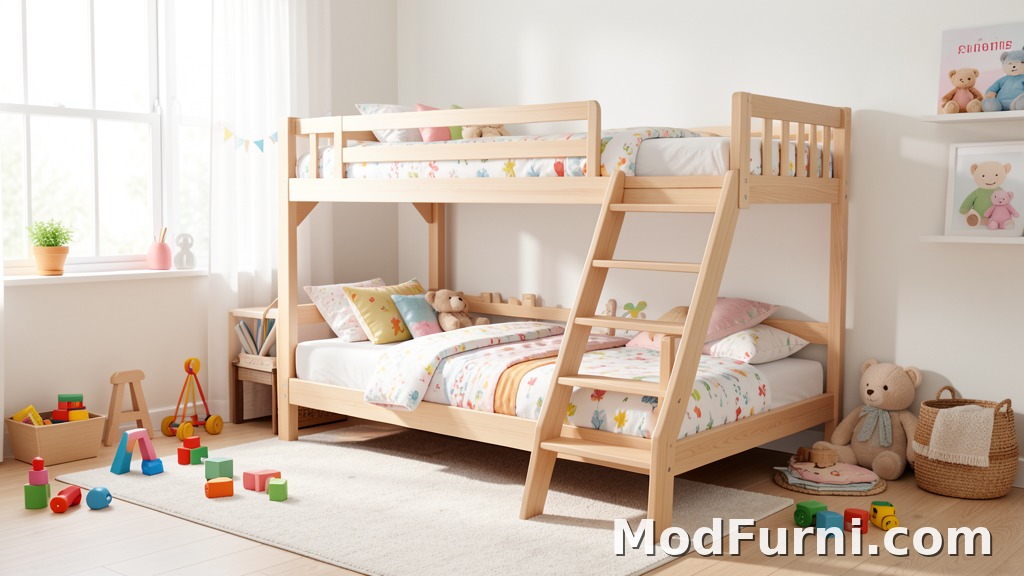
A low bunk bed follows the same stacked design as a regular bunk bed but with shorter guardrails and a lower overall height. Standard bunk beds can reach five to six feet tall. Low-profile versions typically stand between four feet and four and a half feet. That difference matters in rooms with low ceilings, dormers, or ceiling fans.
The lower height also makes the top bunk more accessible. Kids can climb up without struggling, and as a parent, making the bed in the morning is a lot easier when you don’t need a step stool. Some low bunk beds also convert into two separate twin beds later, which gives you flexibility as your kids grow.
Key Dimensions to Know
Before you buy, measure your room ceiling height. Here’s a quick rule of thumb: leave at least 30 inches of clearance between the top of the mattress and the ceiling. A low bunk bed with a total height of 48 inches needs a ceiling of at least 78 inches. Most standard rooms have eight-foot ceilings, so that’s rarely a problem.
Mattress thickness matters too. Most bunk beds work with standard six to eight-inch mattresses. If you go thicker, the guardrail height above the mattress surface shrinks. Industry safety standards say guardrails must extend at least five inches above the mattress. Make sure your mattress choice stays within that limit.
Safety Features to Look For
The main reason people choose low bunk beds over standard ones is safety. The reduced fall height makes accidents less dangerous. But you still need the right safety features.
Look for full-length guardrails on both sides of the top bunk. They should run the entire length of the bed except for the ladder opening. Gaps between the guardrail slats should be no wider than three and a half inches to prevent kids from getting stuck. The ladder should be sturdy and securely attached to the frame.
Check that all hardware is included and the frame meets ASTM safety standards. Most quality manufacturers include this certification in their product details. If you don’t see it listed, ask before buying.
Styles and Configurations
Low bunk beds come in several configurations. The most common is twin over twin, where both bunks use a standard twin mattress. This works well for siblings sharing a room. Some models offer twin over full, which gives the bottom bunk more sleeping space for a guest or older child. Popular options include the Zevemomo Twin Over Twin Low Profile Bunk Bed (metal frame, $174.99) for budget-conscious buyers, or the KOMFOTT Solid Wood Low Bunk Bed ($229.99) for a sturdier build.
Loft-style low bunks are also worth considering. These have the top bunk raised just enough to create a small play or storage area underneath, without going full height. They’re a great middle ground between a traditional bunk and a loft bed.
Then there are low bunk beds with built-in storage. The ADORNEVE Low Bunk Bed with Sling Bookshelves and Storage Drawers ($109.99) is a great example of a space-saving design that includes extra storage. If space is tight in your kid’s room, this extra storage for clothes, toys, or bedding can make a big difference.
Best Rooms for a Low Bunk Bed
Low bunk beds work best in rooms with certain constraints. Rooms with sloped ceilings from attic conversions are ideal because the lower height fits under the angled roofline. Small guest rooms can benefit too — stacking two beds in the footprint of one frees up floor space for a desk or dresser.
Parents often put low bunks in rooms for toddlers or preschoolers who are transitioning from a crib. The low height means less worry about nighttime falls. Some families even use them in vacation homes or cabins where the ceiling is lower than standard.
Assembly and Setup Tips
Most low bunk beds come in knock-down packaging, just like standard bed frames. The assembly process is similar but usually easier because the frame pieces are shorter and lighter. Plan for about one to two hours of build time with two people.
Start by laying out all the parts and hardware. Read the instructions completely before you begin. Tighten all bolts fully during assembly — loose connections cause squeaks and instability over time. If the instructions recommend a box spring, use one. Some low bunks work with just a mattress and slats, so check before you buy extra.
Materials and Durability
You’ll find low bunk beds made from solid wood, metal, or engineered wood. Solid hardwood frames are the most durable and can last through multiple kids. They’re also heavier and more expensive. Metal frames are lighter and usually cheaper, but they can develop squeaks over time. Look for reinforced metal construction with thicker gauge steel for better stability.
Engineered wood like MDF or particle board is the most budget-friendly option. These frames can hold up well if they’re built properly, but check the weight limits carefully. The top bunk on any low bunk bed should support at least 200 pounds.
How Much Should You Expect to Spend?
Low bunk bed prices vary widely based on material and brand. Entry-level metal or MDF frames start around $200 to $300. The Zevemomo metal low profile bunk bed comes in at $174.99, making it a solid entry-level pick. Solid wood models range from $400 to $800. Premium options with built-in storage, trundle beds, or specialty finishes can go over $1,000.
The good news is that a low bunk bed costs about the same as a standard bunk bed of similar quality. You’re not paying a premium for the lower height — it’s more of a design choice than a specialty product.
Low Bunk Bed vs. Standard Bunk Bed
If you’re deciding between a low bunk and a standard bunk, here’s how they compare. Standard bunks offer slightly more headroom on the bottom bunk, which matters for older kids and adults. They also look more substantial in larger rooms.
Low bunks win on safety, accessibility, and fitting into tighter spaces. If your kids are young, your ceilings are low, or you just want a less imposing piece of furniture, the low profile is the better choice.
I’ve seen plenty of families buy a standard bunk bed only to realize the top bunk feels too high for their comfort. Starting with a low bunk bed avoids that problem entirely.
Final Thoughts
A low bunk bed is a smart investment for families who need two beds in a small footprint but don’t want the height of a traditional bunk. The lower profile makes it safer for young kids, easier to make in the morning, and more versatile for rooms with low ceilings or unusual layouts.
Take your time measuring the room, check the safety certifications, and pick a style that fits your kids’ needs. Whether you go with a simple twin over twin or a model with storage drawers, a well-chosen low bunk bed will serve your family well for years.