
Buy Guide
Metal Queen Bed Frame with Headboard: 2026 Buying Guide
Oct
Metal Queen Bed Frame with Headboard: 2026 Buying Guide
A metal queen bed frame with headboard is a steel bed base sized for a 60-by-80-inch queen mattress, with an integrated headboard that supports your back when you sit up. Nearly all are platform designs, so no box spring is required.
Shopping for a metal queen bed frame with headboard usually comes down to three practical wants: a bed that stays quiet, a headboard you can actually lean against while reading, and a price that does not need financing. Steel frames deliver all three for less than solid wood or upholstery, but the specifications printed on the carton swing wildly — one queen frame is rated for 600 pounds, another for 2,200. The difference is not marketing; it is leg count, slat thickness, and how the centre rail is braced.
This guide breaks down the measurements, weight ratings, and headboard styles that decide whether a frame feels rock-solid or starts wobbling in month three. Every number below is sourced from a manufacturer specification, a product listing, or a published review, and we flag anything we could not confirm.
What Defines a Queen Metal Bed Frame With Headboard
A queen metal bed frame with headboard is a steel platform base sold in a queen footprint, paired with a rigid upright panel at the top end. The queen footprint is fixed by the mattress, not the frame: a standard U.S. queen mattress measures 60 inches wide by 80 inches long, a size shared by most North American retailers and the Sleep Foundation’s published size chart.
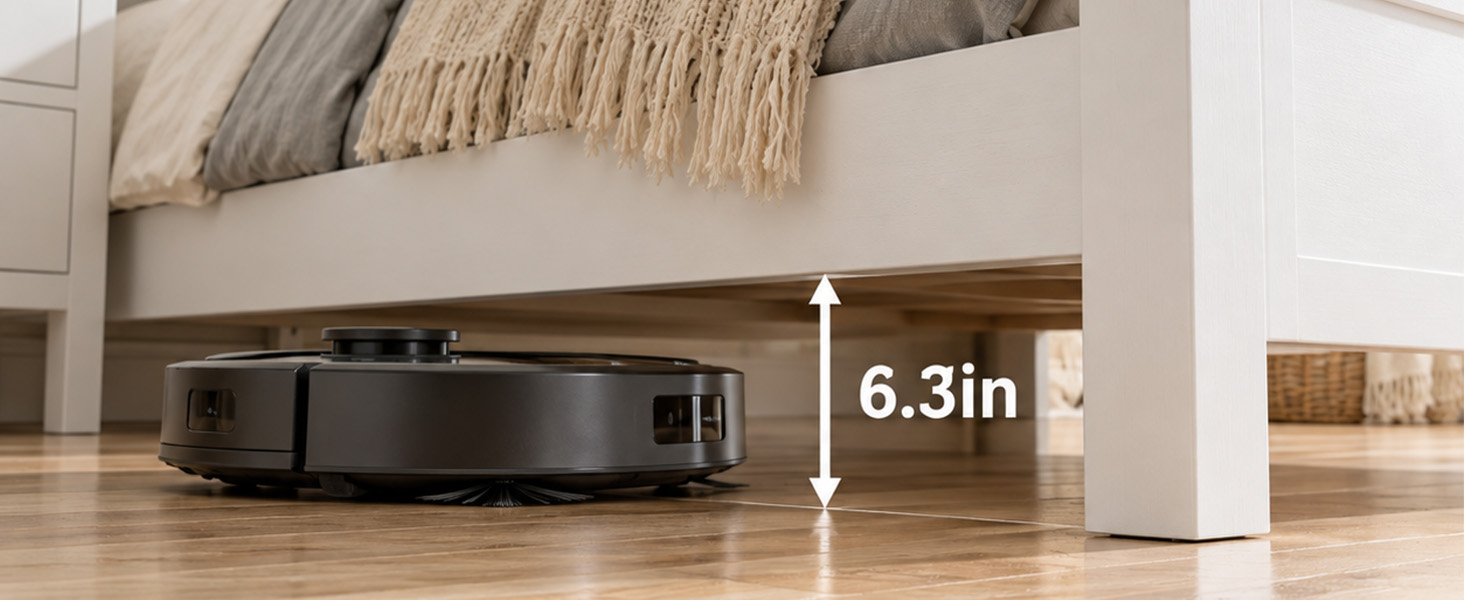
What varies is everything around that footprint. Rail height runs from about 7 inches on a low-profile base to 14 inches on a storage-friendly platform. Headboard height runs from roughly 36 inches on a modest curved panel to 50 inches on Victorian-style ironwork. Under-bed clearance runs from 12 to 14 inches on most current models, which is enough for standard storage bins and most suitcases.
Because metal frames are welded and bolted rather than joined, they hold a consistent shape for years. That consistency is also why weight capacity is the specification worth reading first.
Metal vs Wood: Why Buyers Pick Steel for a Queen Frame
The comparison comes up so often that our own search data shows steady interest in “metal vs wood bed frame.” The honest answer is that each material wins a different category.
- Weight capacity: Steel wins. Heavy-duty steel platforms with nine or more support legs routinely carry well over 1,000 pounds, while six-leg frames and most solid-wood beds land in the 700-to-800-pound range.
- Noise: Wood often wins out of the box because wood-on-wood contact is quieter than steel-on-steel. Modern steel frames close the gap with foam-padded joints, anti-slip slat tape, and rubber foot caps.
- Footprint: Steel wins in small rooms. A metal frame adds only a couple of inches around the mattress, where a wood bed with thick posts and a footboard can consume six or more extra inches of floor space.
- Assembly: Steel wins on time. Flat-packed metal platforms typically assemble in 20-40 minutes with the included tools, because the rails bolt together instead of being glued or dowelled.
If your bedroom is tight, or you want the maximum mattress support per dollar, a steel frame is the practical pick. If you want a sculpted timber look, wood is a styling decision, not a support one.
The Specs That Actually Decide Quality
Five numbers separate a frame that lasts a decade from one that sags in a year. Check them in this order.
1. Rated weight capacity
Look for a stated pound rating, not the words “heavy duty.” Published ratings on current queen metal frames range from 600 pounds to 3,500 pounds, so the label alone tells you very little. For two adults plus bedding and a hybrid mattress, 1,000 pounds is a comfortable working floor; 1,500 pounds and up leaves margin for pets, kids, and a heavier memory foam mattress.
2. Slat spacing
This is the spec most shoppers miss. Foam and memory foam mattresses need slats no more than 3 inches apart, because foam sinks into wider gaps and takes the support layer out of alignment. Most hybrid and innerspring brands allow up to 4 inches, but their warranty pages typically require 3 inches or less. If a frame’s slats are wider than that, plan on adding a bunkie board or a plywood panel.
3. Centre support legs
On a queen frame the centre rail carries a disproportionate share of the load. Reinforced centre support legs are the single cheapest upgrade a manufacturer can make and the one that matters most over time. Count them in the product photos; two or more under the centre rail is a good sign.
4. Headboard height and attachment
A headboard between 36 and 44 inches tall suits most adults for reading and watching television. Taller ironwork styles run 46 to 50 inches and make more of a visual statement but block more of a window. Check that the headboard bolts through the frame rather than hooking over it — bolted panels do not rattle.
5. Under-bed clearance
Twelve to 14 inches of clearance is the current standard, and it is genuinely usable for storage. Twelve inches fits most rolling bins; 14 inches fits standard suitcases. Anything under 10 inches is a cleaning problem rather than a storage opportunity.
Queen Metal Bed Frame Specs Compared
The table below collects measured and published specifications for four queen and king metal frames in our own catalogue, so you can compare ratings directly rather than across marketing pages.
| Bed frame | Rated capacity | Headboard | Box spring | Standout feature |
|---|---|---|---|---|
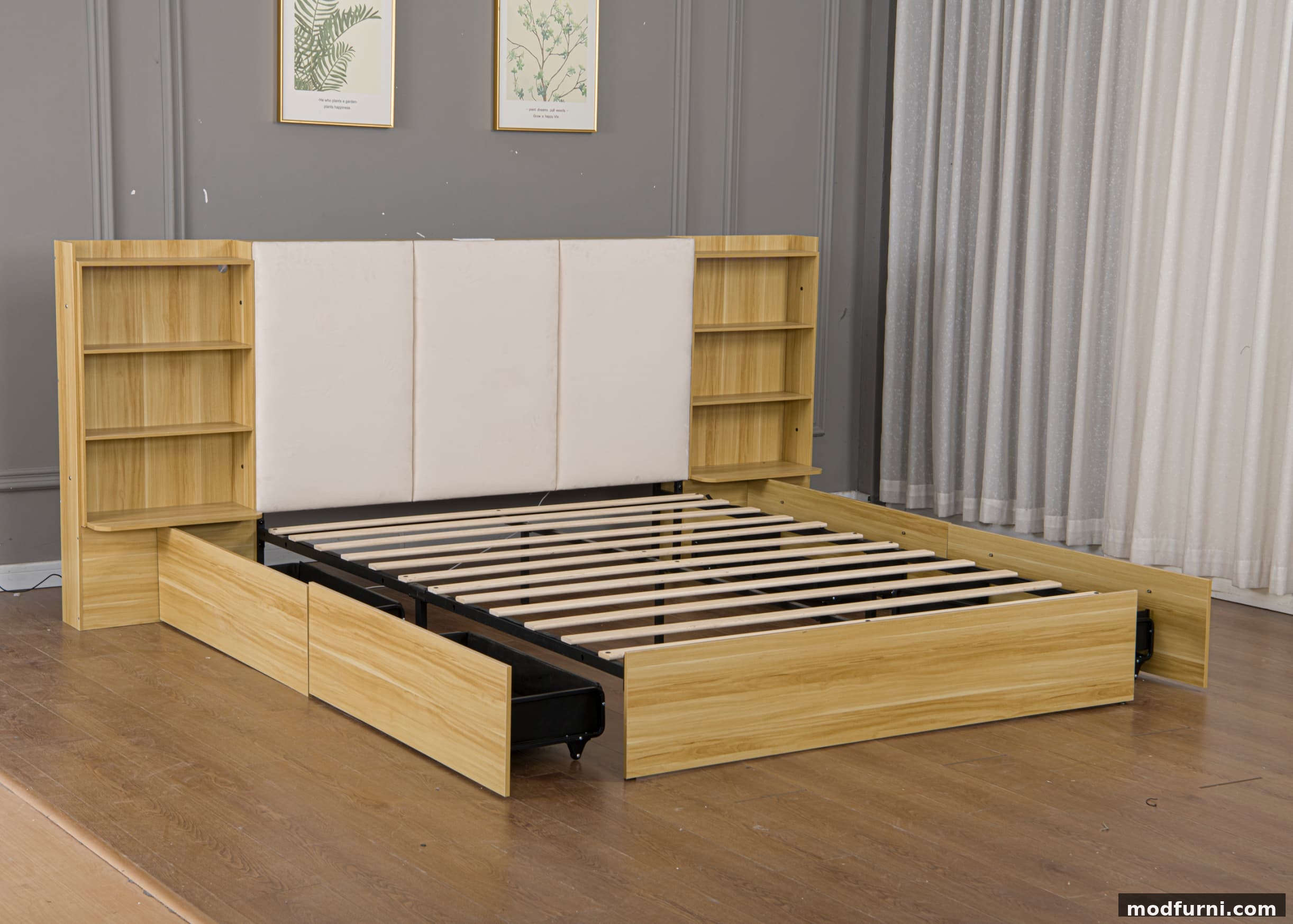
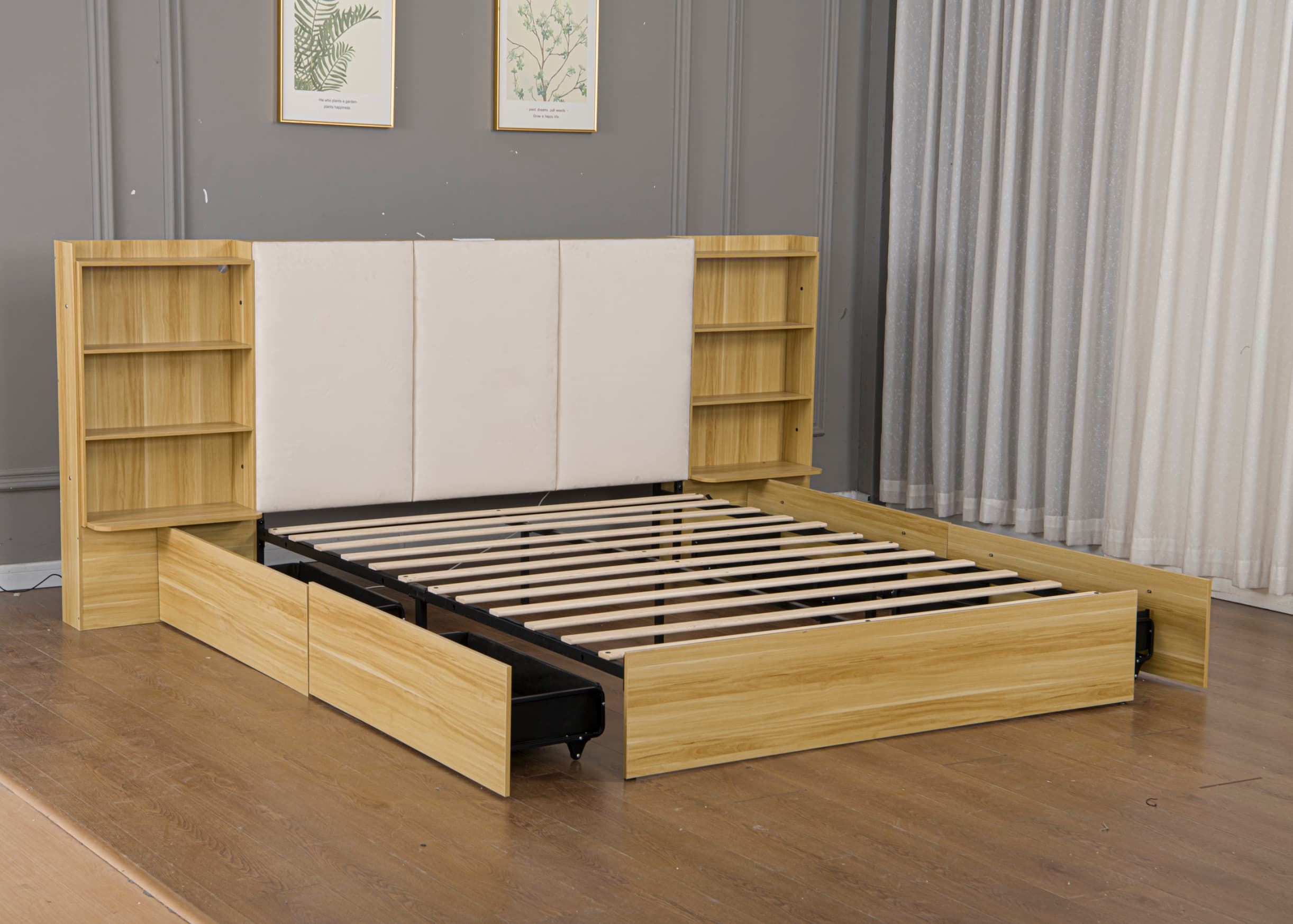
| Queen Size Metal Platform Bed Frame | 1,000 lb | Storage bookcase headboard: 2-tier centre plus 4-tier side shelves | Not needed | 2 AC outlets, 1 USB, 1 Type-C on a 6.5 ft cord |
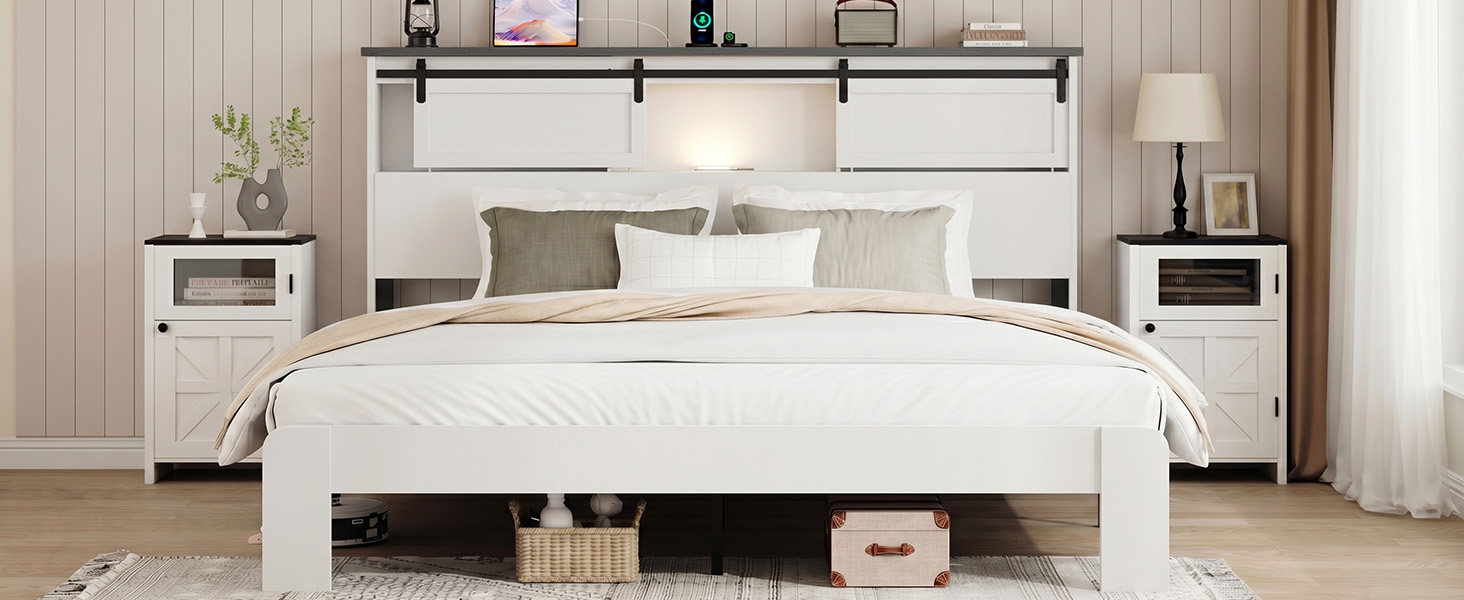
| Queen Size Farmhouse Metal Bed Frame | 800 lb | Two-tone raised-panel farmhouse headboard | Not needed | Reinforced centre support legs and closely spaced slats that reduce squeaking |
| Metal Queen Size Upholstered Platform Bed | [needs source] | Oversized velvet cushioned headboard | Not needed | High-density rebound foam with an ergonomic back tilt |
| Metal King Size Bed Frame With Charging Station | [needs source] | Storage headboard with 2 USB ports | Not needed | Heavy-duty metal slats rated for all mattress types |

For a wider view of what the market offers, this second table shows published weight ratings from current listings and roundups. It makes clear why reading the number matters more than reading the adjective.
| Frame example | Rated capacity | Slat material | Source |
|---|---|---|---|
| Light six-leg metal frame (typical) | 700-800 lb | Steel | HomeToSight bed-base review |
| Victorian steel queen frame with headboard and footboard | 800 lb | Metal | Amazon product listing |
| 14-inch queen metal platform, 13 slats | 1,200 lb | Polished steel | BedFramePrices product review |
| Queen metal frame, reinforced centre legs | 2,200 lb | High-strength steel | UniqueBedFrame roundup |
| Heavy-duty alloy-steel platform, 24 slats | 3,500 lb | Alloy steel | UniqueBedFrame roundup |
How to Choose the Right Metal Queen Bed Frame
Work through these five steps before you add anything to a cart.
- Measure the room, not the bed. A queen mattress occupies 60 by 80 inches, but you need roughly 24 inches of walking space on each long side and 30 inches at the foot. A room under 10 by 10 feet will feel crowded with a queen unless the frame adds minimal width.
- Match the frame to your mattress type. Memory foam and all-foam mattresses need slats 3 inches apart or less. Hybrids and innersprings tolerate up to 4 inches, but check your own warranty page before assuming.
- Set a weight floor of 1,000 pounds. That covers two adults plus a heavier mattress plus bedding. Choose 1,500 pounds or more if pets or children regularly join you on the bed.
- Decide what the headboard has to do. If you read or work in bed, prioritise a padded or angled panel 36-44 inches tall. If you just need storage, a bookcase headboard with shelving does more work than a decorative one.
- Plan for storage clearance from the start. If under-bed bins are part of the plan, 12 inches is the minimum and 14 inches is comfortable.
Headboard Styles and What Each One Adds
Headboards are where a metal frame stops being purely functional. Four styles cover most of the market.
- Curved panel: A smooth 36-inch curve, usually steel with a powder-coat finish. Minimal footprint, easy to wipe clean, and the least expensive shape to manufacture.
- Upholstered cushion: Velvet or woven fabric over high-density foam, often 44 inches tall with a slight backward tilt. The most comfortable option for reading, and the one that softens the industrial look of steel.
- Farmhouse two-tone: A raised-panel design with a contrasting finish, typically combining white and wood tones. Pairs with cottage and transitional decor rather than minimalism.
- Bookcase or storage: Open shelving built into the headboard itself, sometimes with charging ports. The best pick for small bedrooms, because it replaces a nightstand.
If you like the cushion look but want the softer silhouette of fabric throughout, our guide to upholstered bed frames covers fabric construction and care in more depth. If you are still deciding between a platform base and a traditional foundation, mattress foundation vs box spring explains why a platform frame makes the box spring unnecessary.
Assembly, Noise, and Long-Term Durability
Every metal frame in our range ships flat-packed with numbered parts and an illustrated manual, and most buyers finish assembly in under an hour. Three habits prevent almost all of the problems people report after a year of ownership.
- Tighten every bolt twice. Once during assembly, then again after the first week of use, when the frame has settled onto the floor. Loose hardware is the most common source of a squeak.
- Check the connection points. On frames with anti-loosening screws at the headboard and footboard joints, those are the fasteners that matter most. Some designs use foam-padded threads that tighten further as the joint is worked.
- Confirm the slats have not shifted. Non-slip tape or hook-and-loop strips hold slats in place; if your frame lacks them, a strip of double-sided tape prevents the mattress from pushing slats out of alignment.
Steel resists the two failure modes that shorten a wood frame’s life: bowing under a concentrated load and cracking along a joint. That is why a steel platform rated at 1,500 pounds can be thinner and lighter than a hardwood bed with a similar rating — and why the finish, not the structure, is usually what ages first.
Where Metal Queen Frames Sit in the Market
Steel is the value tier of the bed frame market. Comparable queen beds from specialist furniture retailers frequently list between $400 and $1,300, while metal platform frames with headboards commonly sell from roughly $90 to $250 depending on capacity, storage, and finish. That gap is not a quality difference in the steel itself; it is the cost of upholstery, timber, and showroom margin.
If you want to compare a larger footprint before committing, our king bed frame buying guide walks through the 76-by-80-inch king dimensions and when the extra 16 inches of width is worth the floor space. And if a shallow platform base with no headboard already suits your style, the queen size platform bed guide covers that route in detail.
Three Frames Worth Comparing
If you want to see how the specification numbers play out in real products, these three are solid reference points for the category.
ModFurni Queen Size Metal Platform Bed Frame
Rated to 1,000 pounds with a bookcase headboard that carries two tiers of shelving in the centre and four tiers on each side. The built-in power panel gives you two standard outlets, one USB port, and one Type-C port on a 6.5-foot cord, which removes the need for a bedside charging brick. It is the strongest storage-and-power combination in the range. See the Queen Size Metal Platform Bed Frame.
ModFurni Queen Size Farmhouse Metal Bed Frame
The 800-pound rated farmhouse option pairs a robust metal main frame with solid wooden slats and multiple reinforced centre support legs. The closely arranged slats are the reason it runs quiet, and the two-tone raised-panel headboard adds farmhouse styling without adding much footprint. If you want the classic look with a metal substructure, this is the one to open. See the Queen Size Farmhouse Metal Bed Frame.
Market reference: Amazon best sellers
For an outside benchmark, two current Amazon listings are useful comparisons. The Yaheetech queen metal platform frame with Victorian headboard is rated at 800 pounds with 12.6 inches of under-bed clearance and carries a 4.5-star average across more than 15,000 ratings. The Blbeed metal queen bed frame with headboard offers a 36-inch curved headboard, 12-inch clearance, and an FSC-certified steel frame at around $90, with a 4.3-star average from roughly 750 ratings. Both sit in the same capacity band as our 800- and 1,000-pound frames, which makes them a fair yardstick. Amazon prices and ratings change frequently; verify current figures on the listing.
Frequently Asked Questions
What mattress size fits a metal queen bed frame with headboard?
A standard U.S. queen mattress, measuring 60 inches wide by 80 inches long. The frame’s rail length is fixed to that footprint, so mattress thickness is the only variable. A 8-to-14-inch thick queen will fit any platform frame in this category; unusually deep mattresses may hide part of a shorter headboard.
Do I need a box spring with a metal queen bed frame with headboard?
No. Nearly every metal queen frame with a headboard is a platform design with a built-in slat system, which replaces the box spring entirely. Placing a box spring on top of a slatted platform raises the mattress unnecessarily and can make the bed feel less stable rather than more.
How much weight can a metal queen bed frame with headboard hold?
Published ratings for current queen metal frames range from 600 pounds to 3,500 pounds, so the number on your specific model is the only one that matters. For two adults plus a hybrid mattress and bedding, treat 1,000 pounds as the working minimum and 1,500 pounds as comfortable headroom.
How do I stop a metal bed frame from squeaking?
Tighten every bolt, then re-tighten after the first week of use once the frame has settled. Check the headboard and footboard joints specifically, confirm the slats have not shifted off their non-slip strips, and add rubber or felt pads under the feet if the frame sits on a hard floor.
Can I use a memory foam mattress on a metal slat frame?
Yes, provided the slats are no more than 3 inches apart. Foam sinks into wider gaps and loses support underneath, which is also why most foam manufacturers require 3-inch-or-less spacing to keep the warranty valid. If your frame’s gaps are wider, add a bunkie board.
The Short Version
A metal queen bed frame with headboard is the most support per dollar you can buy in the queen category. Fix the footprint at 60 by 80 inches, set your weight floor at 1,000 pounds, confirm slat spacing of 3 inches or less if you sleep on foam, and pick the headboard style that matches how you actually use the bed. Get those four things right and the frame will outlast the mattress on top of it.
Every frame in our queen bed frame range ships flat-packed with numbered parts, an illustrated manual, and the tools needed for assembly. If a specification on this page is unclear or you spot an error, contact ModFurni through our site and we will correct it.
